Embracing Silence: How a Quiet Sideline Transforms Youth Football
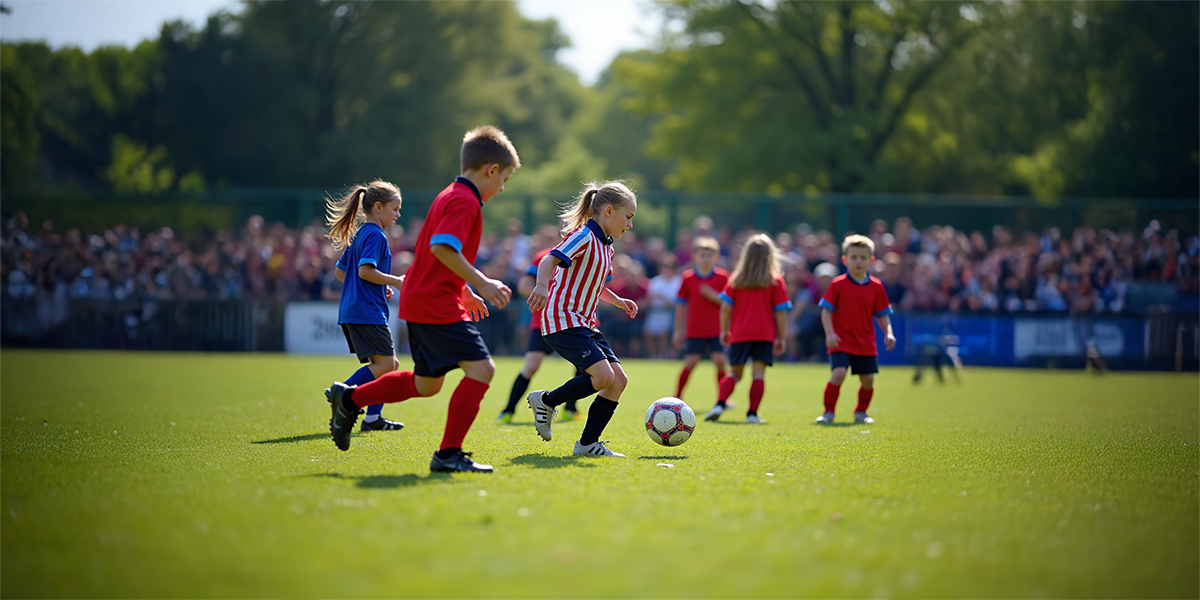
🔇 What if, for one weekend, the sideline noise disappeared? A Silent Support Weekend encourages parents and coaches to observe youth matches in silence, letting young players take control, make decisions, and develop confidence. Discover how this simple change fosters better communication, player autonomy, and sportsmanship.
Silent Support Weekend – Happening This Weekend
📅 This weekend, the Football Association (FA) is hosting its nationwide Silent Support Weekend, encouraging parents and coaches to take a step back and let young players take centre stage. The initiative aims to enhance player confidence, communication, and decision-making skills by reducing sideline noise and allowing children to experience the game on their own terms.
Across the country, thousands of grassroots matches will take place with only applause for encouragement, fostering a more supportive and empowering environment for young footballers.
So far, 194 leagues have signed up to take part, with 65,400 teams and over 870,000 players, the highest number since the first National Silent Support Weekend was introduced in 2022.
What is a Silent Support Weekend?
Imagine a weekend where football speaks for itself—no shouting instructions, no sideline coaching, just the sounds of the game. A Silent Support Weekend is an initiative where spectators, coaches, and parents commit to watching youth matches in complete silence, offering only applause for encouragement.
How it Works:
- ❌ No shouting or verbal instructions from parents or coaches.
- 👏 Encouragement is allowed—but only through clapping.
- ⚽ Players lead their own game, making decisions without sideline influence.
The Benefits of a Silent Support Weekend
1. Boosting Player Confidence
One of the biggest challenges for young players is learning to trust themselves. Constant shouting from the sidelines can lead to:
- Decision paralysis – Players wait for instructions instead of trusting their instincts.
- Fear of making mistakes – A fear-driven approach limits creativity and risk-taking.
✅ Silent Support Benefits:
- Players develop autonomy, making real-time decisions.
- Builds self-confidence by allowing kids to play without pressure.
- Encourages trial and error, which is essential for development.
2. Improving On-Field Communication
When adults dominate the sidelines, player-to-player communication suffers. Without background noise from parents and coaches:
- 🗣️ Teammates talk to each other more, improving in-game communication.
- 👀 Players rely on non-verbal cues like eye contact and movement.
- 🎯 Leaders naturally emerge, as players must organize themselves.
🔍 Coaches often notice that players communicate more effectively when left to figure things out themselves. A Silent Support Weekend helps nurture this critical aspect of teamwork!
3. Encouraging Decision-Making and Creativity
In high-pressure environments, young players often look to adults for answers instead of thinking independently. When the sidelines fall silent:
- Players must assess situations themselves—leading to faster decision-making.
- Creativity flourishes as they experiment with different strategies.
- They learn from mistakes, rather than expecting immediate correction.
🏆 End result? Smarter, more confident players who can adapt and solve problems on the pitch.
4. Creating a More Positive Matchday Experience
For many young footballers, the sideline atmosphere can be overwhelming. Heated instructions, arguments, and excessive coaching can turn a fun game into a stressful event.
💚 A Silent Support Weekend promotes:
- ✅ A calmer environment where players feel supported, not pressured.
- ✅ Less anxiety about making mistakes.
- ✅ A focus on enjoyment, rather than performance outcomes.
🤔 Did You Know?
According to youth sports psychology experts, over 70% of kids quit sports by age 13 because they no longer find it fun. Silent Support Weekends help bring the joy back to the game.
5. Strengthening Sportsmanship and Respect
By removing excessive sideline influence, Silent Support Weekends:
- 👏 Reinforce respect between players, coaches, and referees.
- 🚫 Reduce negative behaviors like arguing with officials.
- 🏅 Foster a player-driven, fair-play mindset.
💡 Example Initiative:
In the Netherlands, a Silent Support Weekend trial saw a dramatic drop in yellow cards and referee complaints, as players adapted to self-managing their emotions and actions.
How Can We Implement a Silent Support Weekend?
- 💬 Educate Parents and Coaches – Explain why silence benefits young players.
- 📝 Set Clear Guidelines – Communicate the rules: no shouting, only clapping.
- 🎤 Encourage Player Reflections – After the game, ask players how it felt to play without sideline noise.
- 📢 Lead by Example – Coaches and clubs should embrace the initiative with enthusiasm.
Final Thoughts
A Silent Support Weekend isn’t about discouraging support—it’s about creating a space where players take control, communicate, and enjoy the game without fear of judgment.
⚽ When the voices fade, the game grows louder. Let’s give young players the chance to shine on their own terms.